Manas National Park – Assam’s Wild Beauty & UNESCO Treasure
📍 Where Is Manas National Park?


Manas National Park is located in the Baksa and Chirang districts of Assam, along the foothills of Bhutan.
It is:
A UNESCO World Heritage Site
A Tiger Reserve
An Elephant Reserve
A Biosphere Reserve
Unlike Kaziranga’s open grassland safari vibe, Manas feels more raw, more untouched, and deeply peaceful.
If Kaziranga is famous — Manas is magical.
🌿 Why Visit Manas National Park?
Home to the endangered Golden Langur
Rich biodiversity (tigers, elephants, rhinos, wild buffalo)
Manas River flowing through the park
Less crowded compared to Kaziranga
Beautiful Himalayan foothill landscape
Jeep safari experience through dense forest
This is the kind of place where silence feels powerful.
🐅 Wildlife You Can Spot

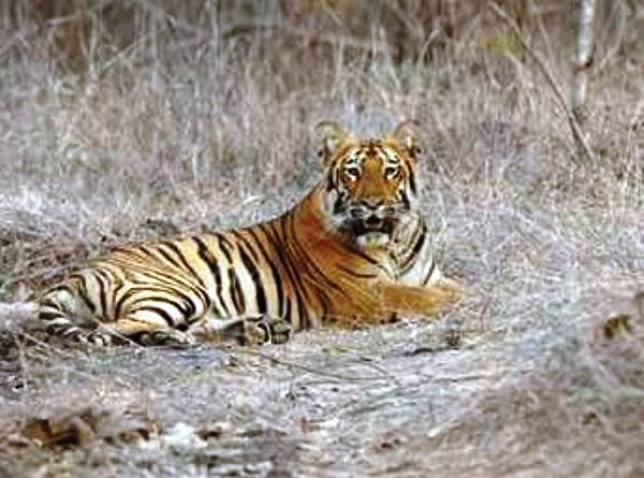

Royal Bengal Tiger
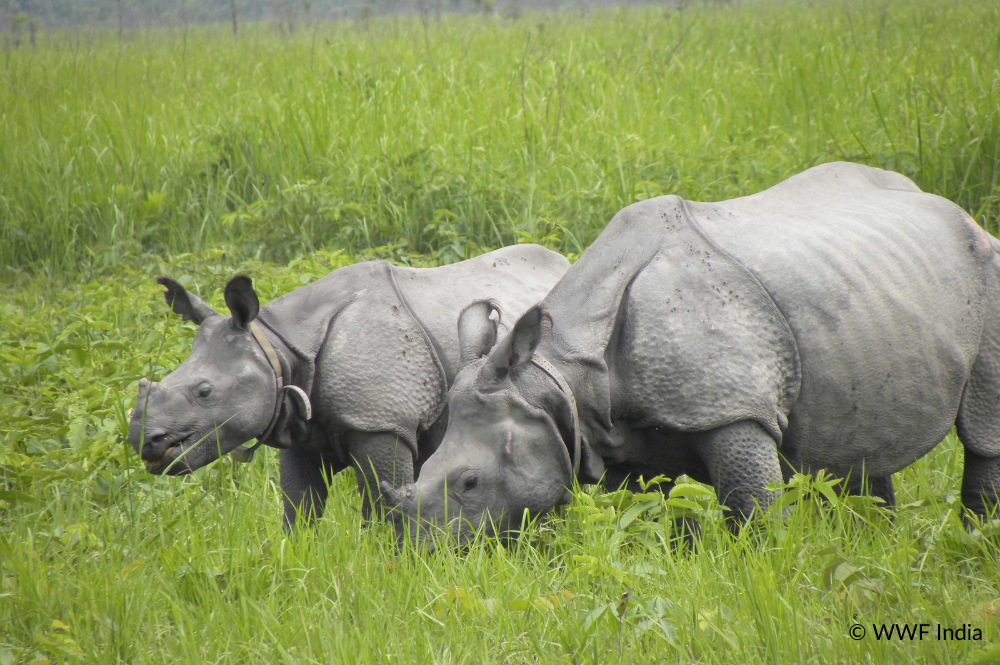
Indian One-Horned Rhinoceros
Asian Elephant
Wild Water Buffalo
Golden Langur (very rare)
Clouded Leopard (rare sighting)
Over 450 species of birds
Manas is especially important for conservation of rare and endemic species.
🚙 Safari Details
🟢 Jeep Safari
Most popular option
Conducted in designated zones
Early morning & afternoon slots
Guide compulsory
🟢 Elephant Safari
Limited and subject to availability
Best for close wildlife viewing
Pro tip: Morning safaris offer better chances of wildlife spotting.
🗺️ Main Entry Gates
Bansbari Range (most popular & tourist-friendly)
Bhuyanpara Range (less crowded, more raw experience)
Bansbari is usually recommended for first-time visitors.
🗓️ Best Time to Visit
November to April – Ideal season
December–February – Cool and pleasant
March–April – Good wildlife visibility
🚫 Park remains closed during monsoon (usually May to October).
⏰ Visiting Hours
Morning Safari: Around 7:00 AM – 10:00 AM
Afternoon Safari: Around 1:30 PM – 4:30 PM
(Timings may slightly vary seasonally.)
🎫 Entry Fees & Safari Cost (Approximate)
Entry Fee: Nominal charge for Indians & foreigners (different rates)
Jeep Safari: Charged per vehicle
Camera Fee: Applicable for DSLR
It’s better to confirm updated rates locally or via official tourism offices before visiting.
🏨 Where to Stay
Forest lodges (inside buffer areas)
Eco camps near Bansbari
Budget homestays
Mid-range resorts
Staying near Bansbari Gate is most convenient.
🍛 What to Expect in Food
Simple Assamese meals
Rice, dal, vegetables, fish
Limited restaurant options
Mostly local-style cooking
This is a wildlife destination — not a luxury food hub.
🚗 How to Reach Manas
✈️ By Air
Nearest airport: Guwahati (Lokpriya Gopinath Bordoloi International Airport)
🚆 By Train
Nearest railway station: Barpeta Road
🚗 By Road
Approx. 3–4 hours drive from Guwahati
Road journey is scenic and smooth.
🌊 Manas River – The Hidden Charm

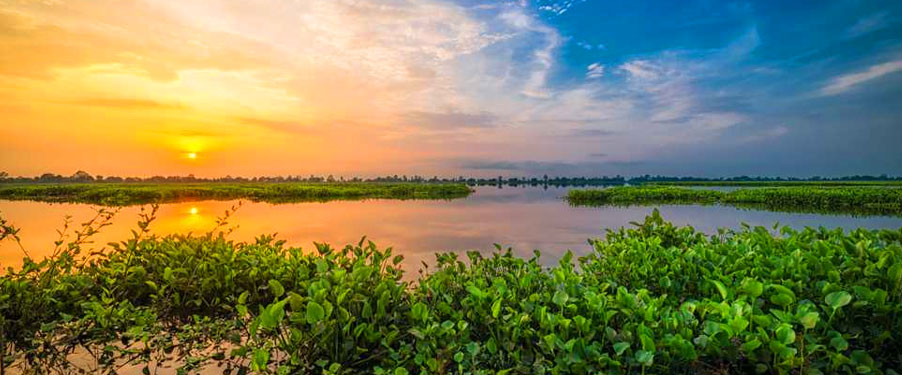

The Manas River flows beautifully through the park and into Bhutan.
Crystal clear water
Ideal for riverside photography
Rafting (seasonal & regulated)
Peaceful sunrise views
Sitting near the river after safari — that’s a different level of calm.
🌿 Unique Things About Manas (Not Everyone Mentions)
It was once declared a World Heritage Site “in danger” and later restored — a conservation success story
Much less commercialized than Kaziranga
You feel closer to nature due to fewer vehicles
Local Bodo community plays an important role in eco-tourism
Manas isn’t just a park — it’s a conservation comeback story.
❓ Frequently Asked Questions (FAQ)
1. Is Manas better than Kaziranga?
Both are different experiences. Kaziranga is famous for rhinos; Manas is more diverse and less crowded.
2. How many days are enough?
2 days are ideal for safari and river experience.
3. Is online safari booking available?
Limited online facilities; many bookings happen via local offices or resorts.
4. Is Manas safe for families?
Yes, completely safe when following park rules.
5. Can we see tigers easily?
Tiger sightings are rare, but possible.
6. Is rafting available?
Seasonal and regulated. Best to check locally before planning.
💭 Final Thoughts
Manas is not loud.
It doesn’t try hard to impress.
But once you enter the forest, hear the birds, see the river flow — you understand why it’s special.
If you truly want to experience wild Assam beyond the usual tourist circuit, Manas deserves your time.
📚 Sources
Assam Tourism Development Corporation (ATDC) – Official Website
UNESCO World Heritage Centre – Official Website
National Tiger Conservation Authority – Official Website
Ministry of Environment, Forest and Climate Change – Government of India
Local Manas Eco-Tourism Society – Information Desk


No comments:
Post a Comment