Saturday, 28 February 2026

🌿 πŸŒ„ Civic Sense in Assam — Do’s & Don’ts With Real News Examples

🌿 πŸŒ„ Civic Sense in Assam — Do’s & Don’ts With Real News Examples

✅ DO’s – What You Should Definitely Do

1️⃣ Respect Local Culture & Traditions

Assam is culturally rich and deeply rooted in traditions. Whether you're visiting a Sattra in Majuli or Kamakhya Temple, dress modestly and behave respectfully.


2️⃣ Try Authentic Assamese Food

Don’t leave without tasting:

  • Khar

  • Masor Tenga

  • Pitha

  • Traditional Assamese Thali

Trust me, the simplicity of Assamese food hits differently ❤️


3️⃣ Follow Wildlife Rules

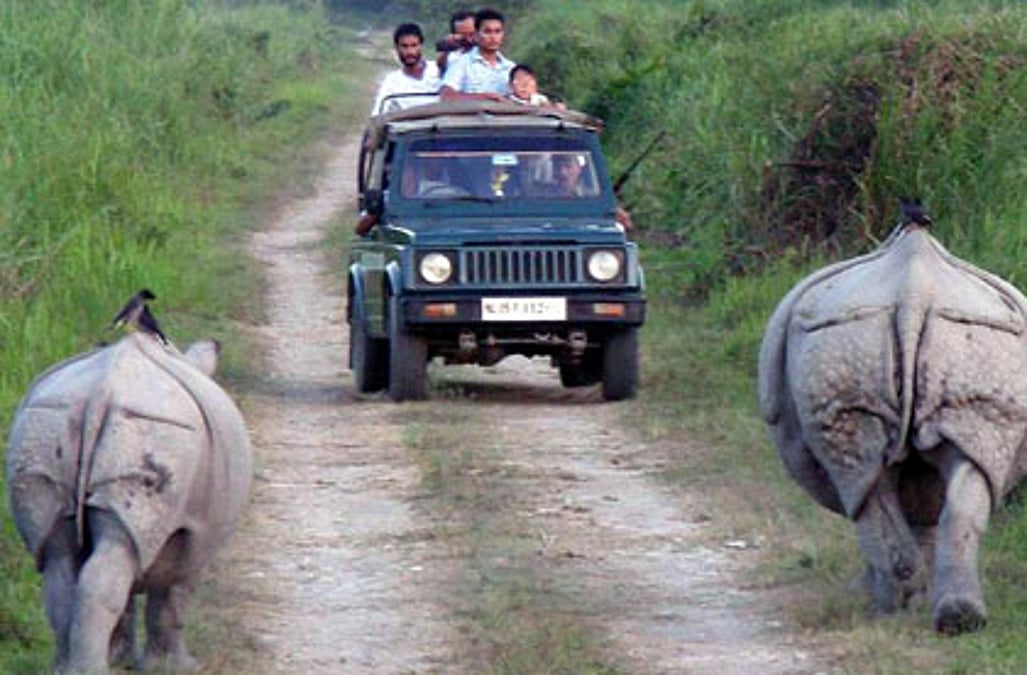
If you're visiting Kaziranga or Manas, strictly follow forest department rules.

  • No loud noise

  • No feeding animals

  • No littering

Wildlife safaris are a privilege, not a picnic.


4️⃣ Carry Cash in Remote Areas

Places like Majuli and Haflong may not always have reliable online payment systems. Keep some cash handy.


5️⃣ Travel in Suitable Months

Best time to visit Assam: October to April
Avoid heavy monsoon (June–September) due to floods.


6️⃣ Support Local Artisans

Buy handmade Assamese silk (Muga, Eri) and local handicrafts. It helps local communities directly.


❌ DON’Ts – What You Should Avoid

🚫 Don’t Visit During Peak Flood Season

Many areas including Kaziranga remain closed.


🚫 Don’t Disrespect Religious Sentiments

Kamakhya Temple is sacred. Photography is restricted in certain areas.


🚫 Don’t Litter

Assam’s beauty lies in its greenery. Keep it clean.


🚫 Don’t Ignore Travel Permits (If Required)

Some nearby Northeast regions require Inner Line Permit (ILP). Always check in advance.


🚫 Don’t Expect Metro City Lifestyle

Assam is peaceful and natural. Enjoy the slow vibe instead of rushing.


⭐ Top 6 Places We Covered in Assam


🐘 1. Kaziranga National Park

Image

Image

Image

Image

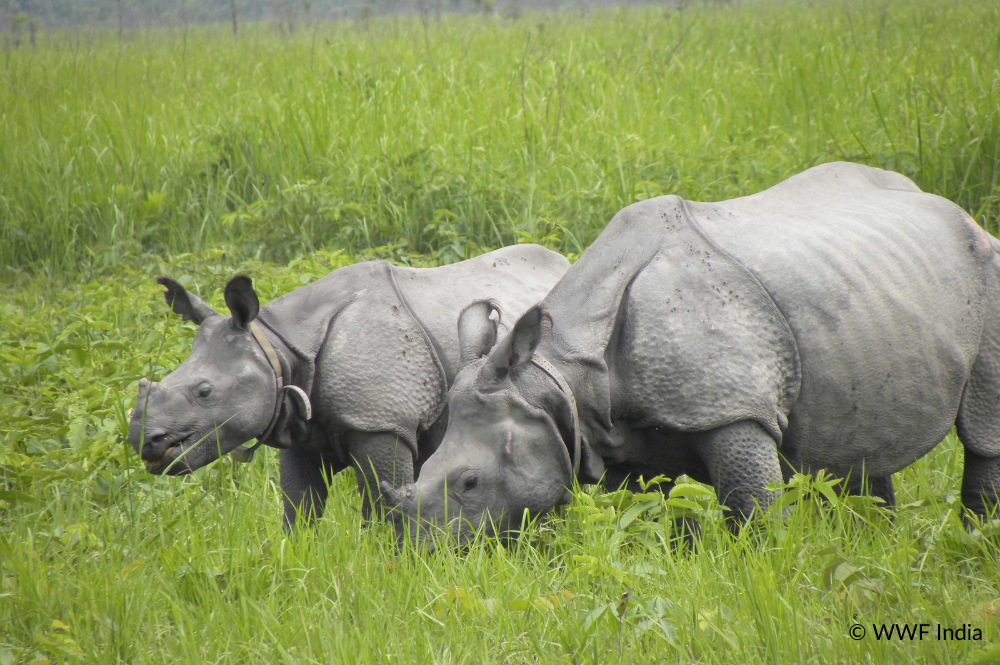
Home to the one-horned rhinoceros and a UNESCO World Heritage Site.
Best for wildlife lovers and photographers.


🌊 2. Majuli Island

Image

Image

Image

Image

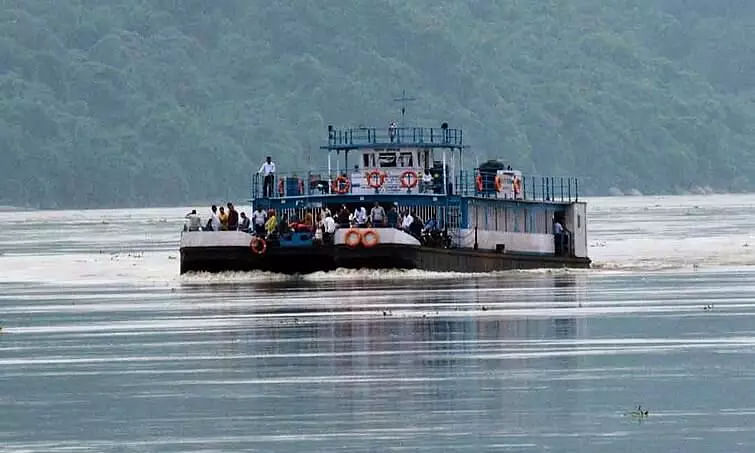
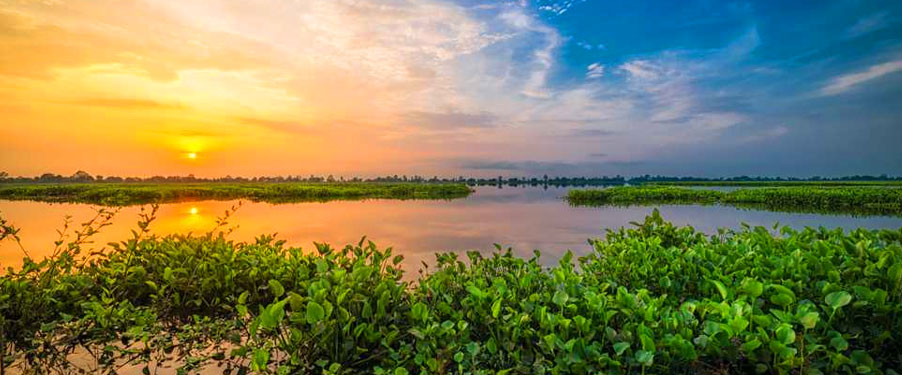
The world’s largest river island (situated on the Brahmaputra River).
Peaceful, spiritual, and culturally rich.


πŸ”± 3. Kamakhya Temple

Image

Image

Image

Image

One of the most powerful Shakti Peethas in India.
Located on Nilachal Hill in Guwahati.


πŸŒ„ 4. Haflong

Image

Image

Image

Image

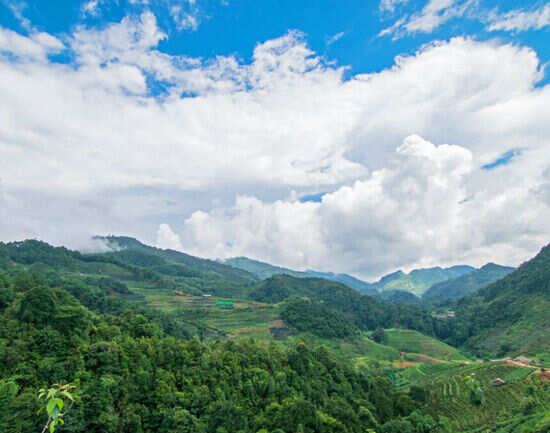
Assam’s only hill station.
Perfect for nature lovers and offbeat travelers.


🏰 5. Sivasagar

Image

Image

Image

Image

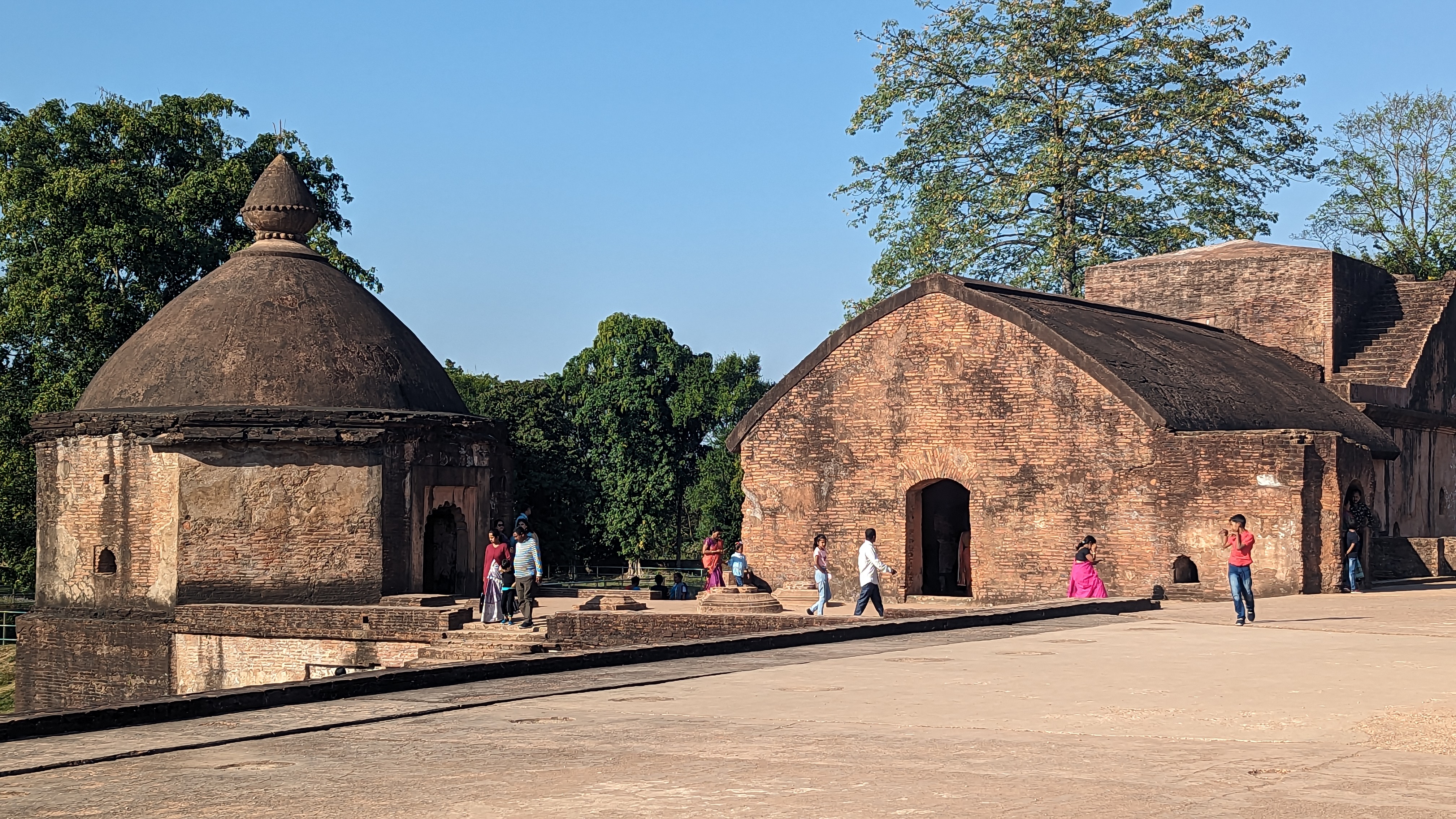
Historic town showcasing Ahom dynasty architecture and monuments.


πŸ… 6. Manas National Park

Image

Image

Image

Image

UNESCO World Heritage Site near Bhutan border.
Less crowded than Kaziranga but equally wild.


❓ Frequently Asked Questions (FAQ)

Q1: Is Assam safe for tourists?

Yes, absolutely. Tourist areas are safe. Just follow normal precautions.

Q2: How many days are enough for Assam?

Minimum 6–8 days to cover major highlights comfortably.

Q3: What is the best month to visit Assam?

November to March is ideal.

Q4: Is vegetarian food easily available?

Yes, but Assamese cuisine is traditionally non-vegetarian. Veg options are available.

Q5: Can we visit Kaziranga and Manas in one trip?

Yes, but plan at least 3–4 days for both.


πŸ’› Final Thoughts

Assam is not just a destination.
It’s greenery, river breeze, temple bells, tribal culture, and wildlife all combined into one peaceful experience.

If you truly want to feel Northeast India, start with Assam.


πŸ“š Sources

  • Assam Tourism Official Website

  • Kaziranga National Park Official Website

  • Manas National Park Official Website

  • Ministry of Tourism, Government of India


— India’s Following Feed
Discover India, State by State.

Manas National Park – Assam’s Wild Beauty & UNESCO Treasure

Manas National Park – Assam’s Wild Beauty & UNESCO Treasure


πŸ“ Where Is Manas National Park?

Image

Image

Image

Image

Manas National Park is located in the Baksa and Chirang districts of Assam, along the foothills of Bhutan.

It is:

  • A UNESCO World Heritage Site

  • A Tiger Reserve

  • An Elephant Reserve

  • A Biosphere Reserve

Unlike Kaziranga’s open grassland safari vibe, Manas feels more raw, more untouched, and deeply peaceful.

If Kaziranga is famous — Manas is magical.


🌿 Why Visit Manas National Park?

  • Home to the endangered Golden Langur

  • Rich biodiversity (tigers, elephants, rhinos, wild buffalo)

  • Manas River flowing through the park

  • Less crowded compared to Kaziranga

  • Beautiful Himalayan foothill landscape

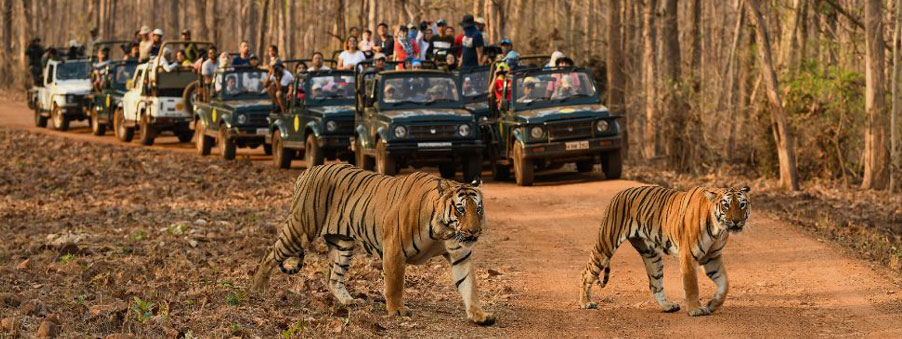
  • Jeep safari experience through dense forest

This is the kind of place where silence feels powerful.


πŸ… Wildlife You Can Spot

Image

Image

Image

Image

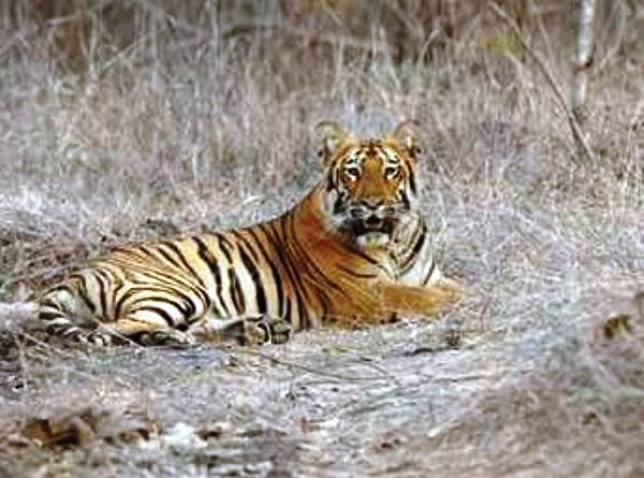
  • Royal Bengal Tiger

  • Indian One-Horned Rhinoceros

  • Asian Elephant

  • Wild Water Buffalo

  • Golden Langur (very rare)

  • Clouded Leopard (rare sighting)

  • Over 450 species of birds

Manas is especially important for conservation of rare and endemic species.


πŸš™ Safari Details

🟒 Jeep Safari

  • Most popular option

  • Conducted in designated zones

  • Early morning & afternoon slots

  • Guide compulsory

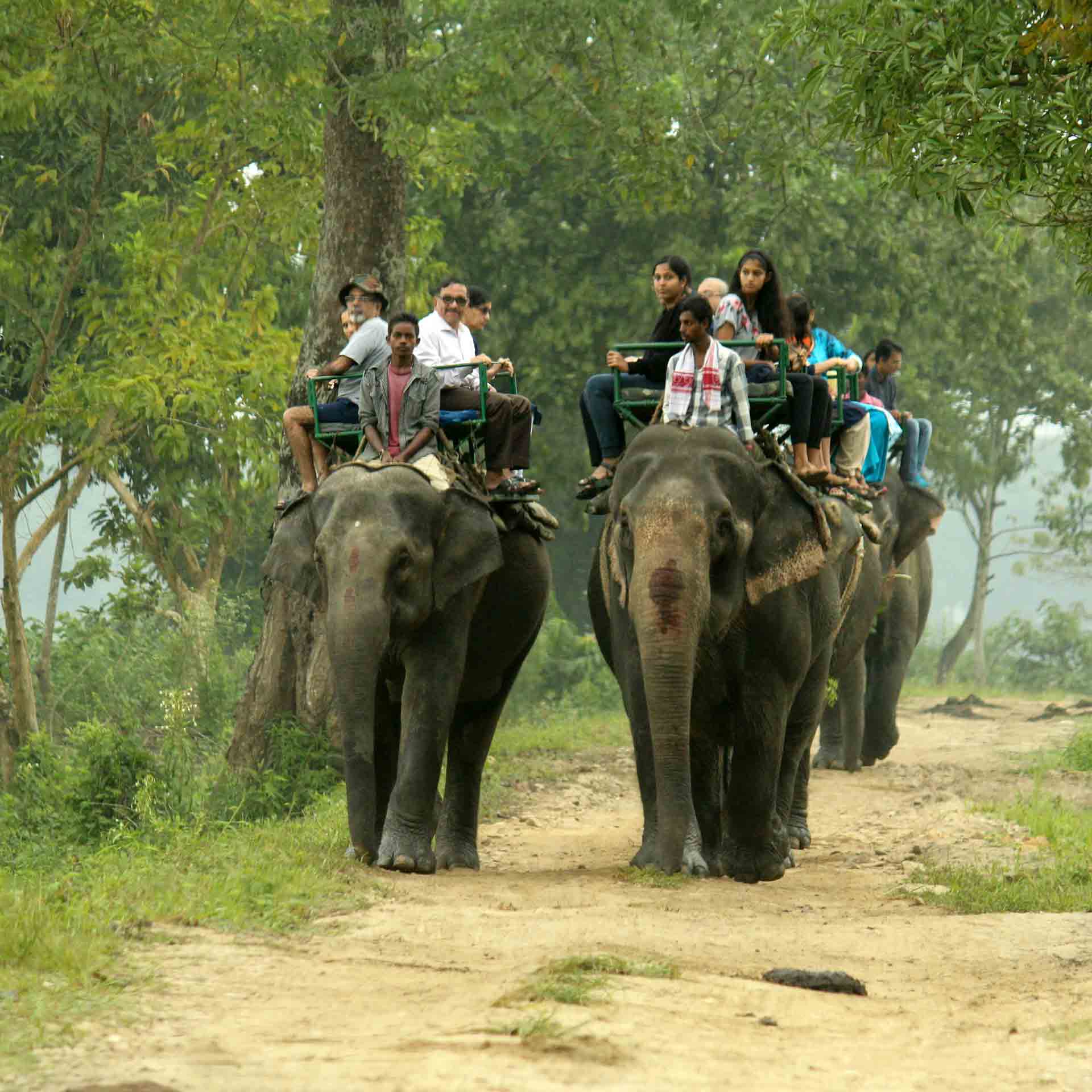
🟒 Elephant Safari

  • Limited and subject to availability

  • Best for close wildlife viewing

Pro tip: Morning safaris offer better chances of wildlife spotting.


πŸ—Ί️ Main Entry Gates

  • Bansbari Range (most popular & tourist-friendly)

  • Bhuyanpara Range (less crowded, more raw experience)

Bansbari is usually recommended for first-time visitors.


πŸ—“️ Best Time to Visit

  • November to April – Ideal season

  • December–February – Cool and pleasant

  • March–April – Good wildlife visibility

🚫 Park remains closed during monsoon (usually May to October).


⏰ Visiting Hours

  • Morning Safari: Around 7:00 AM – 10:00 AM

  • Afternoon Safari: Around 1:30 PM – 4:30 PM

(Timings may slightly vary seasonally.)


🎫 Entry Fees & Safari Cost (Approximate)

  • Entry Fee: Nominal charge for Indians & foreigners (different rates)

  • Jeep Safari: Charged per vehicle

  • Camera Fee: Applicable for DSLR

It’s better to confirm updated rates locally or via official tourism offices before visiting.


🏨 Where to Stay

  • Forest lodges (inside buffer areas)

  • Eco camps near Bansbari

  • Budget homestays

  • Mid-range resorts

Staying near Bansbari Gate is most convenient.


πŸ› What to Expect in Food

  • Simple Assamese meals

  • Rice, dal, vegetables, fish

  • Limited restaurant options

  • Mostly local-style cooking

This is a wildlife destination — not a luxury food hub.


πŸš— How to Reach Manas

✈️ By Air

Nearest airport: Guwahati (Lokpriya Gopinath Bordoloi International Airport)

πŸš† By Train

Nearest railway station: Barpeta Road

πŸš— By Road

Approx. 3–4 hours drive from Guwahati

Road journey is scenic and smooth.


🌊 Manas River – The Hidden Charm

Image

Image

Image

Image

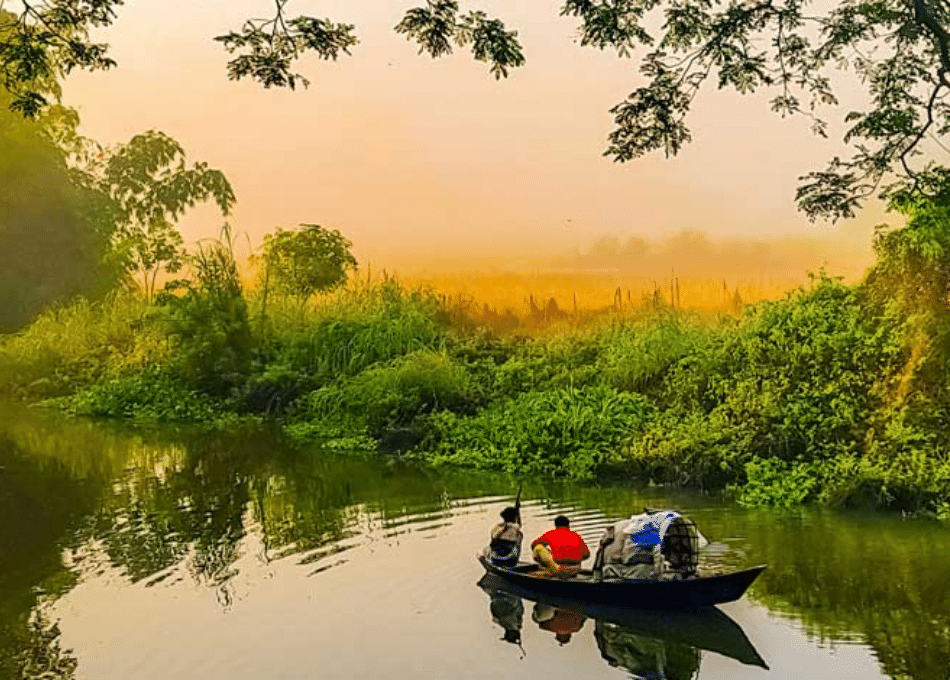
The Manas River flows beautifully through the park and into Bhutan.

  • Crystal clear water

  • Ideal for riverside photography

  • Rafting (seasonal & regulated)

  • Peaceful sunrise views

Sitting near the river after safari — that’s a different level of calm.


🌿 Unique Things About Manas (Not Everyone Mentions)

  • It was once declared a World Heritage Site “in danger” and later restored — a conservation success story

  • Much less commercialized than Kaziranga

  • You feel closer to nature due to fewer vehicles

  • Local Bodo community plays an important role in eco-tourism

Manas isn’t just a park — it’s a conservation comeback story.


❓ Frequently Asked Questions (FAQ)

1. Is Manas better than Kaziranga?

Both are different experiences. Kaziranga is famous for rhinos; Manas is more diverse and less crowded.

2. How many days are enough?

2 days are ideal for safari and river experience.

3. Is online safari booking available?

Limited online facilities; many bookings happen via local offices or resorts.

4. Is Manas safe for families?

Yes, completely safe when following park rules.

5. Can we see tigers easily?

Tiger sightings are rare, but possible.

6. Is rafting available?

Seasonal and regulated. Best to check locally before planning.


πŸ’­ Final Thoughts

Manas is not loud.
It doesn’t try hard to impress.

But once you enter the forest, hear the birds, see the river flow — you understand why it’s special.

If you truly want to experience wild Assam beyond the usual tourist circuit, Manas deserves your time.


πŸ“š Sources

  1. Assam Tourism Development Corporation (ATDC) – Official Website

  2. UNESCO World Heritage Centre – Official Website

  3. National Tiger Conservation Authority – Official Website

  4. Ministry of Environment, Forest and Climate Change – Government of India

  5. Local Manas Eco-Tourism Society – Information Desk


— India’s Following Feed
Discover India, State by State.

Haflong, Assam – The Only Hill Station of Assam You Shouldn’t Miss

Haflong, Assam – The Only Hill Station of Assam You Shouldn’t Miss


πŸ“ Where Is Haflong?

Image

Image

Image

Image

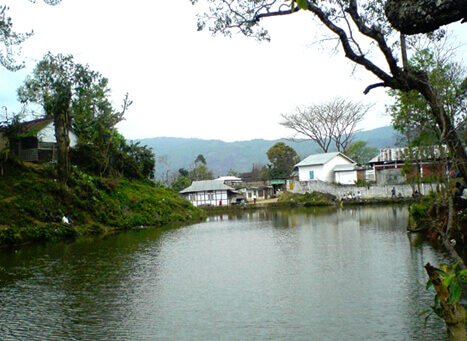
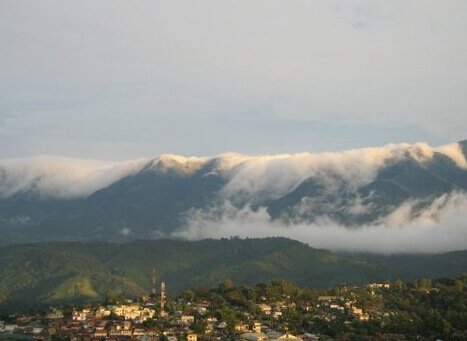
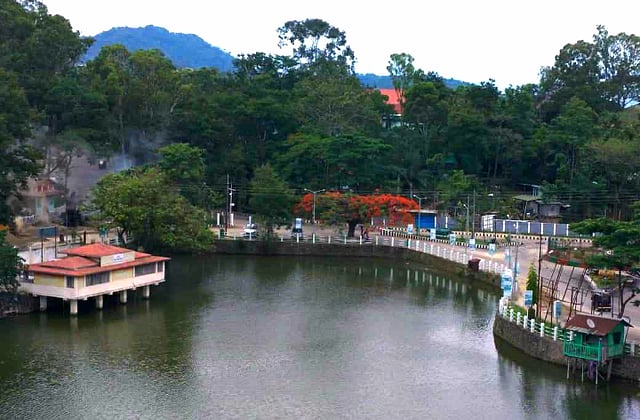
Haflong is a beautiful hill town located in the Dima Hasao district of Assam. Often called the “Switzerland of the Northeast”, it is the only hill station of Assam.

Surrounded by blue hills, floating clouds, and peaceful valleys, Haflong gives you that calm mountain vibe — but without the heavy tourist rush like other hill stations in India.

If you are covering Assam serially like we did with Kaziranga and Majuli, Haflong deserves a proper dedicated stop.


πŸŒ„ Why Visit Haflong?

  • Only hill station of Assam

  • Pleasant weather throughout the year

  • Rich tribal culture (Dimasa, Zeme Naga, Hmar communities)

  • Scenic lakes and rolling hills

  • Less crowded & peaceful

  • Perfect for slow travel lovers

This is not a “tick mark tourist place.”
This is a “sit, breathe, feel the silence” kind of destination.


🏞️ Top Places to Visit in Haflong


1️⃣ Haflong Lake

Image

Image

Image

Image

The heart of the town.

  • Centrally located

  • Ideal for evening walks

  • Boating available

  • Best during sunset

Local people come here daily — which makes it feel authentic, not commercial.


2️⃣ Jatinga – The Mysterious Bird Village

Image

Image

Image

Image

Located about 9 km from Haflong.

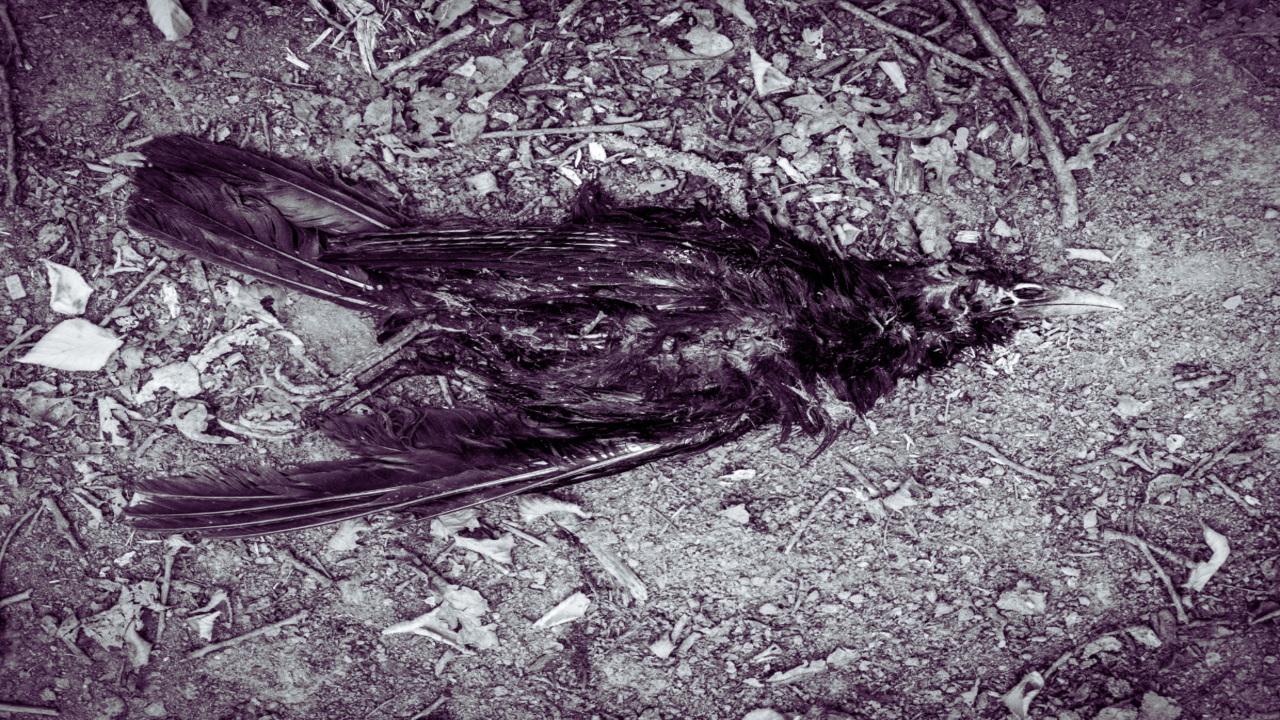
Jatinga became famous because of a mysterious phenomenon where birds descend during specific months (usually September–November) on foggy nights.

Today, it is:

  • A scenic valley

  • A bird-watching destination

  • A peaceful viewpoint

⚠️ Important: The government now regulates activities to prevent bird harm.


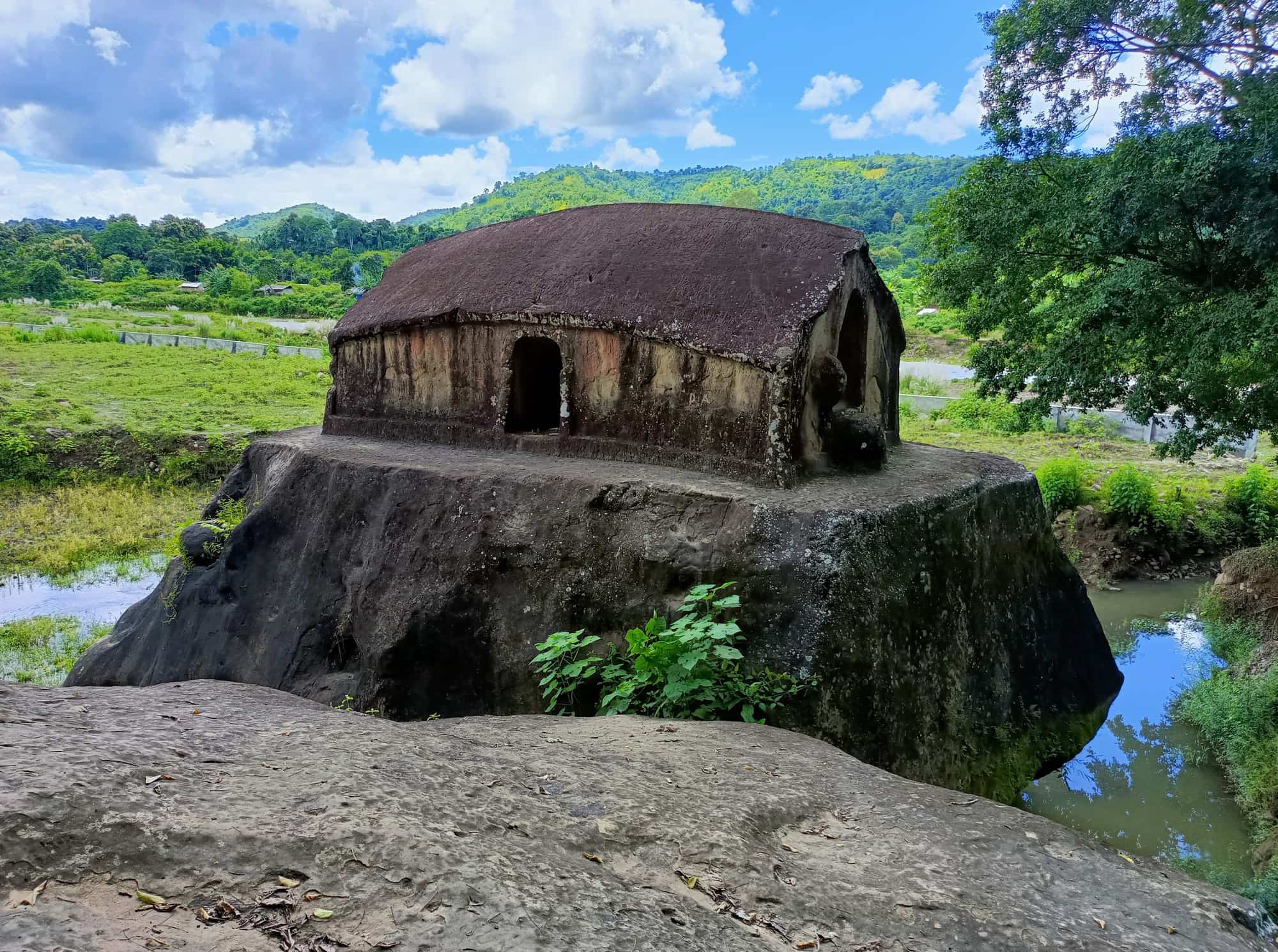
3️⃣ Maibang (Historic Touch)

Image

Image

Image

Image

About 50 km from Haflong.

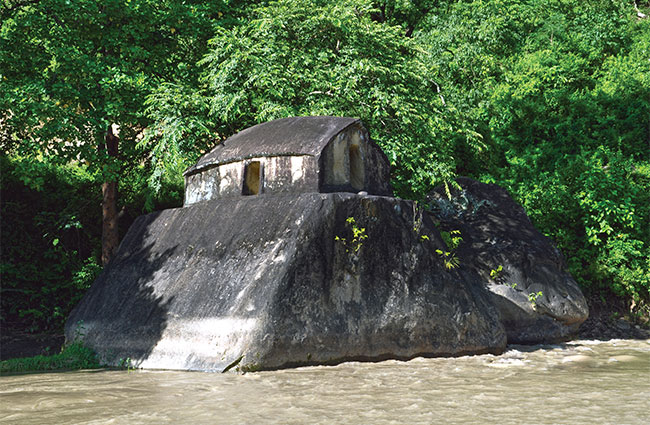
Maibang was once the capital of the Dimasa Kingdom.

  • Ancient ruins

  • Stone carvings

  • River-side views

Perfect if you want to add a historical angle to your trip.


4️⃣ Panimur Waterfall

Image

Image

Image

Image

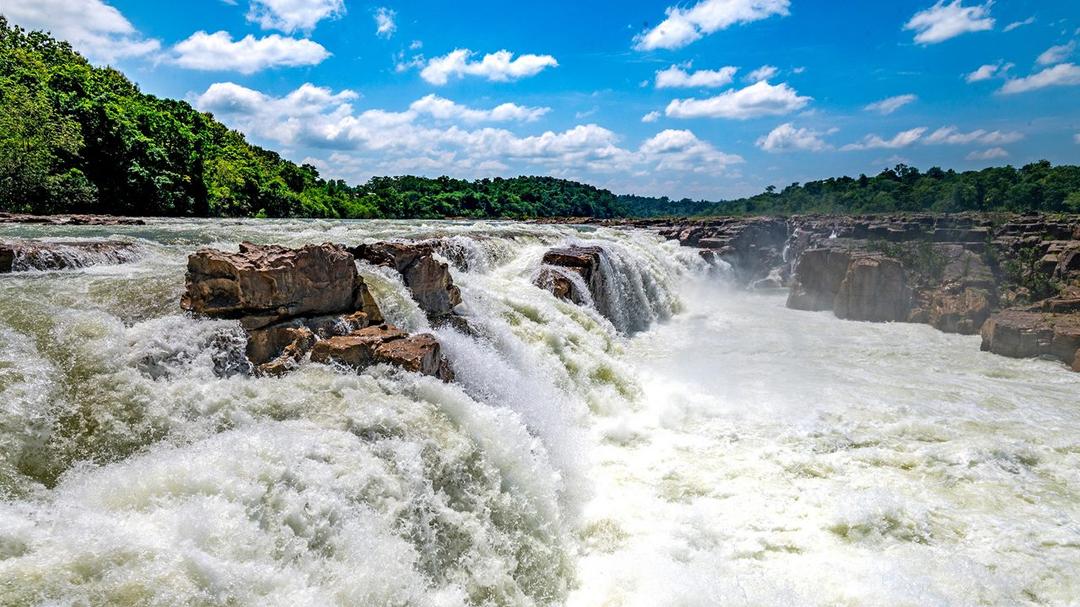
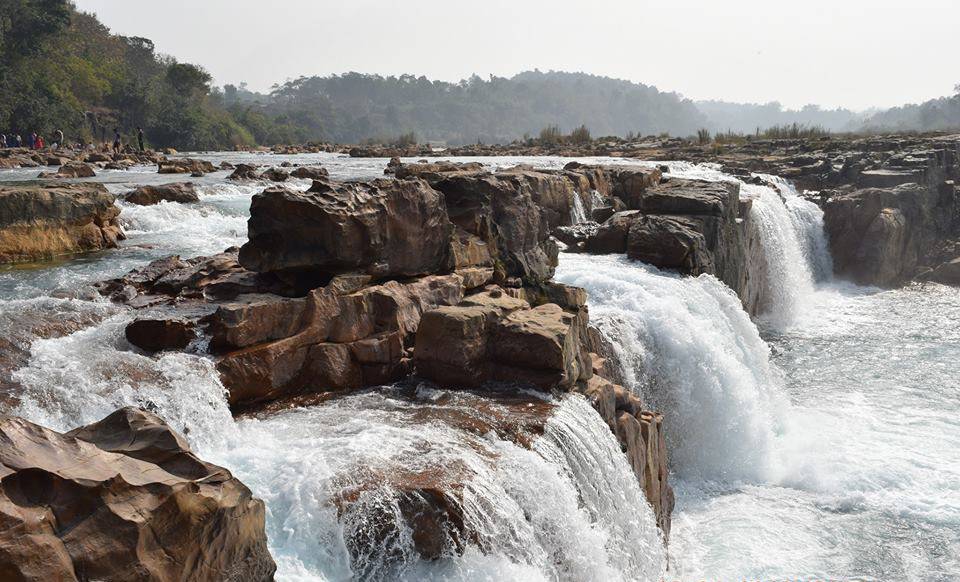
Often called the “Mini Niagara of Northeast”.

  • Located near Haflong

  • Best during monsoon

  • Strong water flow

  • Ideal for nature photography

Not very commercialized — raw and powerful.


🌀️ Best Time to Visit Haflong

  • October to April – Best weather, clear views

  • Monsoon (June–September) – Lush green but heavy rain

  • Winter (Dec–Jan) – Cold but beautiful

If you want clear skies for photography — go post-monsoon.


⏰ Visiting Hours

Haflong is a town — open throughout the year.

For specific spots:

  • Haflong Lake: Sunrise to 7 PM approx

  • Panimur Waterfall: Daytime only

  • Jatinga: Best visited during daylight


🎫 Entry Fees & Costs

  • Haflong Lake: Minimal or free entry

  • Boating: Nominal local charges

  • Panimur Waterfall: Small local entry fee (may vary)

  • Parking: Minimal charges

Carry cash — card facilities are limited.


πŸš— How to Reach Haflong

✈️ By Air

Nearest airport: Silchar Airport (approx 100 km)

πŸš† By Train

Haflong Hill Railway Station
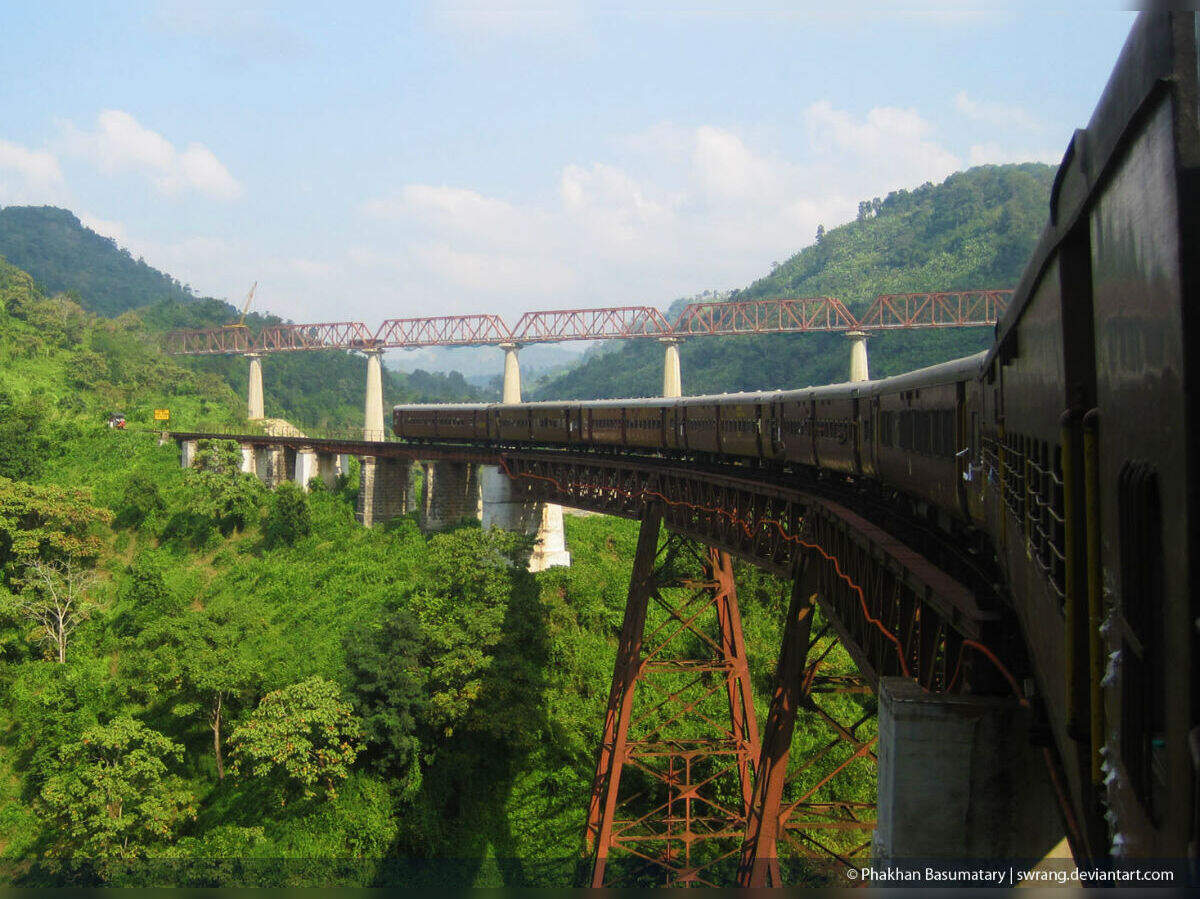
Scenic route via Lumding–Silchar railway line (beautiful hill tracks)

πŸš— By Road

Connected via Silchar and Guwahati by road
Road journey is scenic but hilly


🍽️ What to Eat in Haflong

  • Bamboo shoot dishes

  • Local tribal cuisine

  • Smoked pork (popular among locals)

  • Simple Assamese thali

Don’t expect luxury cafΓ©s — expect authentic local flavors.


🏨 Where to Stay

  • Budget lodges

  • Mid-range hotels

  • Homestays (recommended for real experience)

Book in advance during peak season.


🌿 Unique Things About Haflong (Not Everyone Talks About)

  • It’s peaceful even in peak season

  • You’ll see more locals than tourists

  • Mobile network can be weak

  • Sunrise views are underrated

  • Cultural diversity is visible in daily life

This place teaches you to slow down.


❓ Frequently Asked Questions (FAQ)

1. Is Haflong safe for tourists?

Yes, very safe. Locals are friendly and helpful.

2. How many days are enough for Haflong?

2–3 days are ideal to explore comfortably.

3. Is snowfall possible in Haflong?

No snowfall, but winters can be cold.

4. Can I visit Haflong with family?

Yes, it’s peaceful and family-friendly.

5. Is it good for honeymoon?

If you want quiet and nature — yes.

6. Does Haflong have good internet?

Network can be inconsistent. Don’t rely on high-speed internet.


πŸ’­ Final Thoughts

Haflong is not about luxury resorts.
It’s about clouds touching hills.
It’s about quiet evenings by the lake.
It’s about slow mornings and simple food.

If you are covering Assam properly — don’t skip its only hill station.

Sometimes, the most peaceful places are the least promoted ones.


πŸ“š Sources

  1. Assam Tourism Development Corporation (ATDC) – Official Website

  2. Incredible India – Ministry of Tourism, Government of India

  3. Dima Hasao District Administration – Official Website

  4. Northeast Frontier Railway – Official Website

  5. Local Tourism Information – Haflong & Dima Hasao


— India’s Following Feed
Discover India, State by State.

🌿 πŸŒ„ Civic Sense in Assam — Do’s & Don’ts With Real News Examples

🌿 πŸŒ„ Civic Sense in Assam — Do’s & Don’ts With Real News Examples ✅ DO’s – What You Should Definitely Do 1️⃣ Respect Local Culture ...